Step 1
Curriculum research
Reviewed KS3 curriculum requirements to understand how sustainability topics are introduced. Identified key learning outcomes and appropriate content depth.
Project
Legend
Role
Lead Designer
Date
2023
Project
Legend
Role
Lead Designer
Date
2023
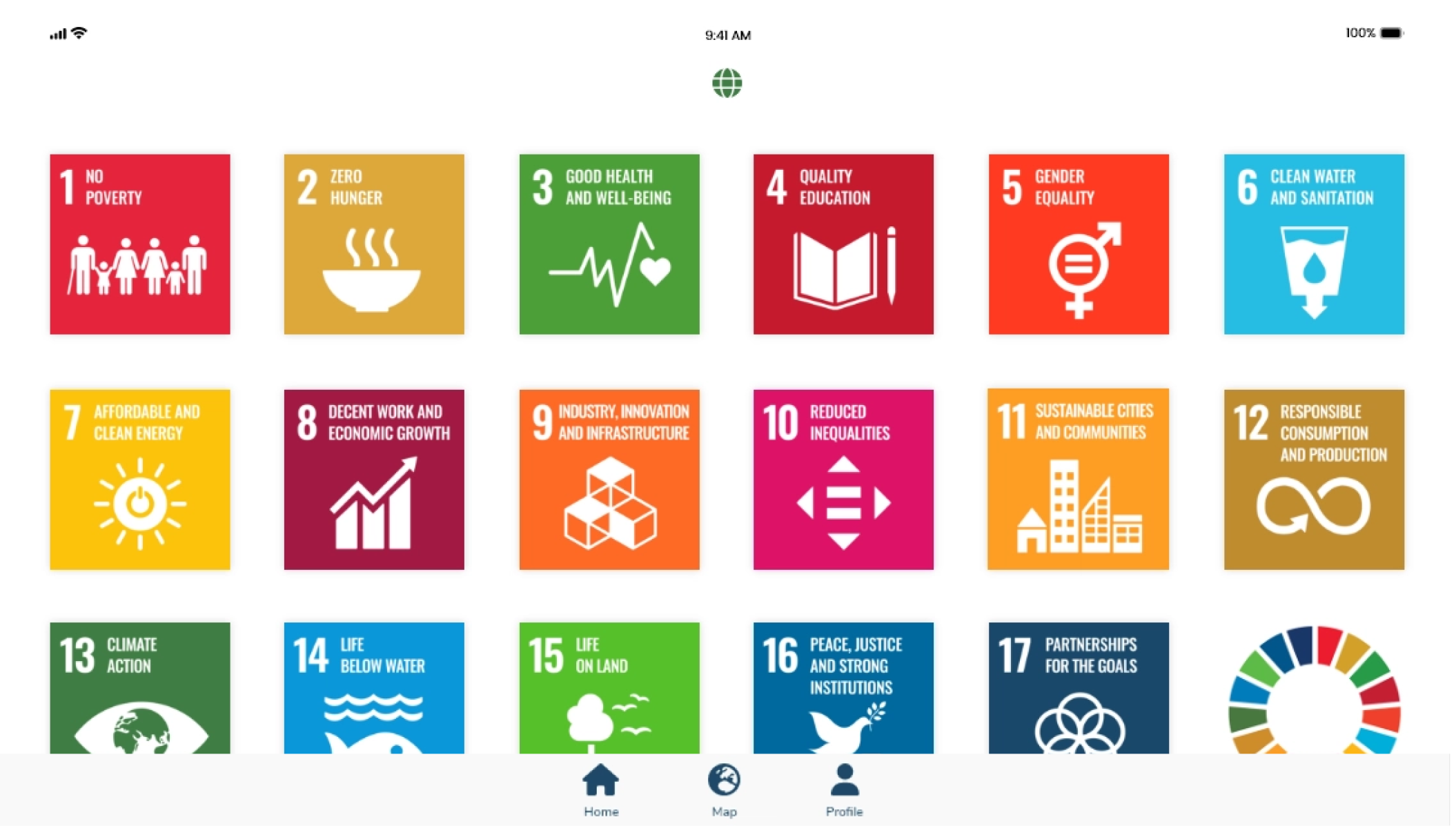
Designing for a Key Stage 3 audience introduced challenges around attention, comprehension, and engagement. The subject matter - UN Sustainable Development Goals - was inherently complex and information-heavy, making it difficult to present in a way that felt accessible and engaging for younger users. The key challenge was to simplify educational content without losing meaning, while creating an experience that aligned with both student behaviour and classroom use.
Legend required a process that kept educational integrity intact while making the experience engaging for younger learners. I approached it by translating a dense topic into a clearer learning journey supported by visual interaction and age-appropriate structure.
I first identified where the content felt too complex or abstract for a Key Stage 3 audience, then worked backwards into simpler interaction patterns and more digestible information blocks. The process involved shaping content into smaller, more meaningful moments, while making sure the platform still supported classroom use and independent exploration. Design decisions were guided by clarity, pacing, and making global issues feel more relatable and understandable.
Step 1
Reviewed KS3 curriculum requirements to understand how sustainability topics are introduced. Identified key learning outcomes and appropriate content depth.
Step 2
Explored how younger students engage with educational content. Focused on attention, comprehension and the need for simple, engaging formats.
Step 3
Translated complex sustainability topics into clear, digestible content. Structured information into smaller learning moments to support understanding.
Step 4
Organised content into a logical structure that supported both guided learning and independent exploration. Ensured clear progression between topics.
Step 5
Designed interactive elements to encourage engagement and curiosity. Balanced usability with playful exploration suited to the target age group.
Step 6
Applied a clean, engaging UI that supported readability and learning. Used visual hierarchy to guide attention and reinforce key information.
Step 7
Developed a high fidelity prototype to test clarity and flow. Refined the experience to ensure content felt accessible, engaging and easy to navigate.
I designed an interactive learning platform that translated complex global topics into structured, engaging content tailored to a younger audience. Through user insight and early testing, I introduced features such as an interactive map, digestible facts and statistics, and real-world news integration to connect learning with context. The interface prioritised clarity, visual learning, and intuitive navigation to support both independent exploration and guided classroom use.
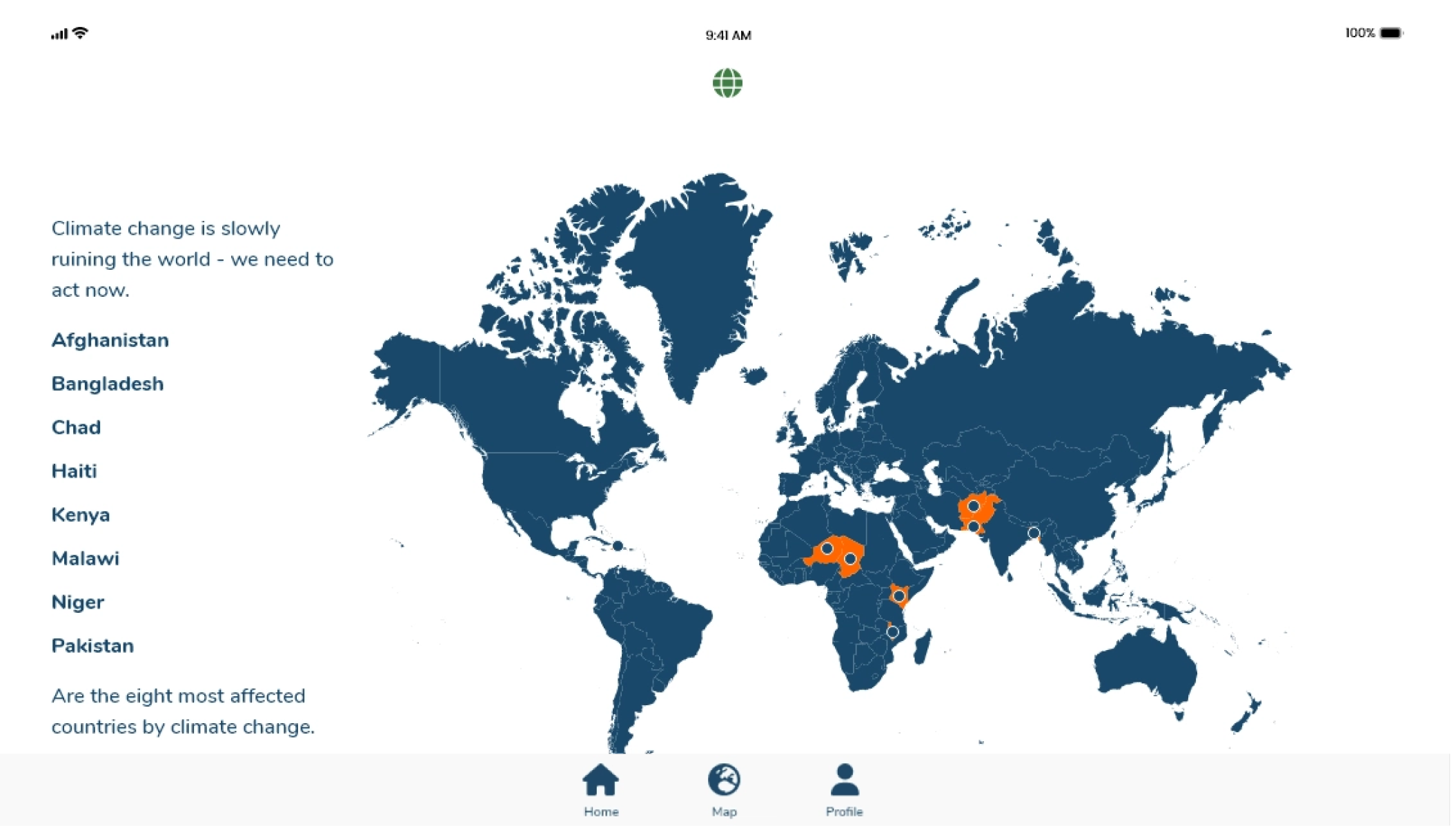
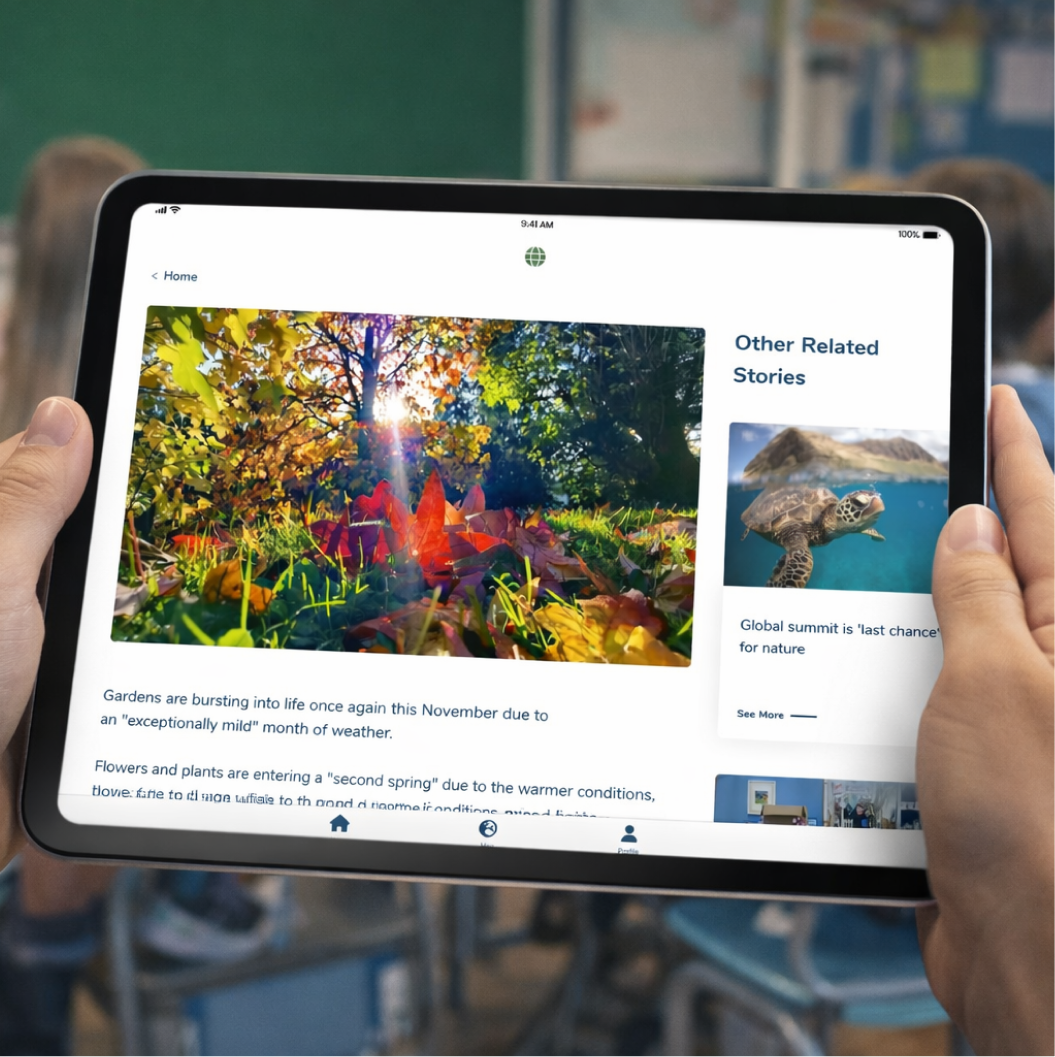
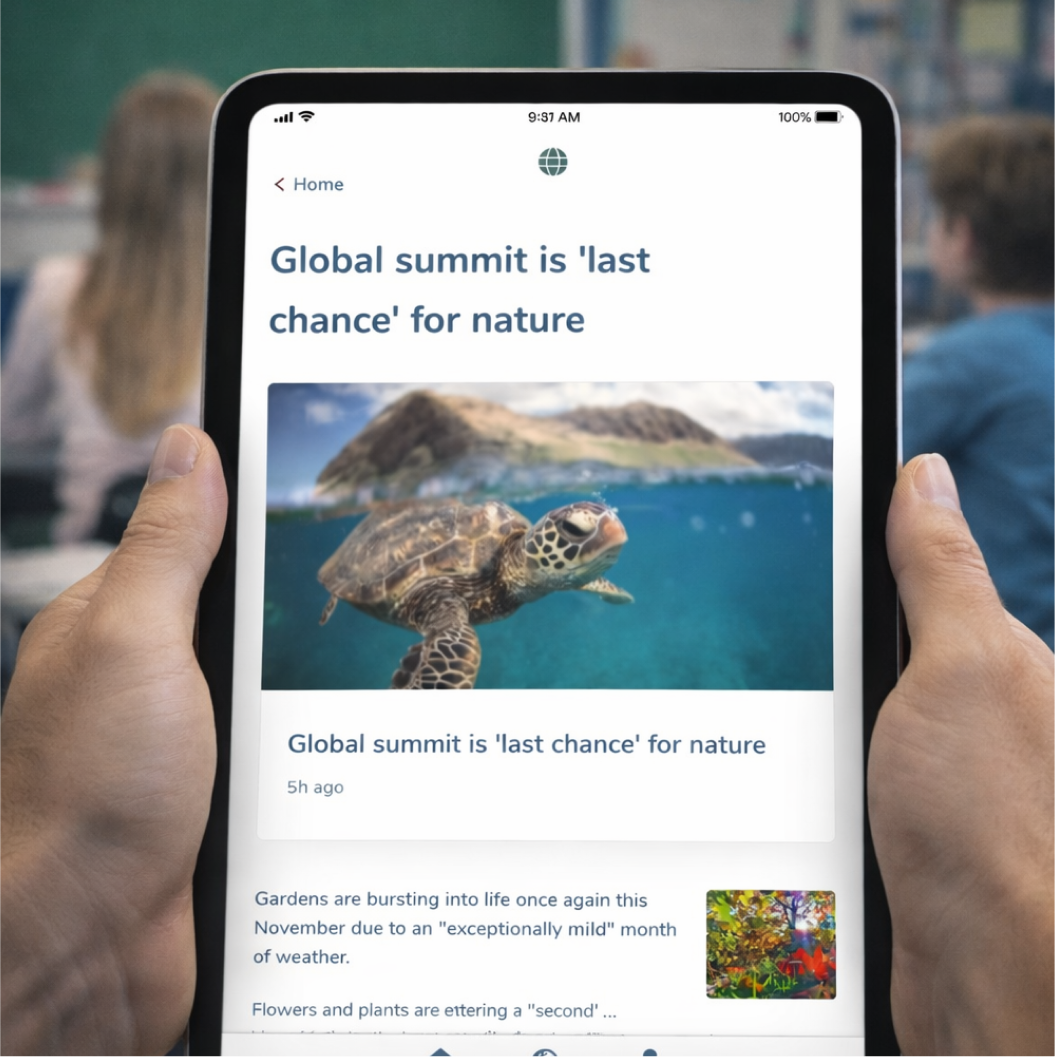
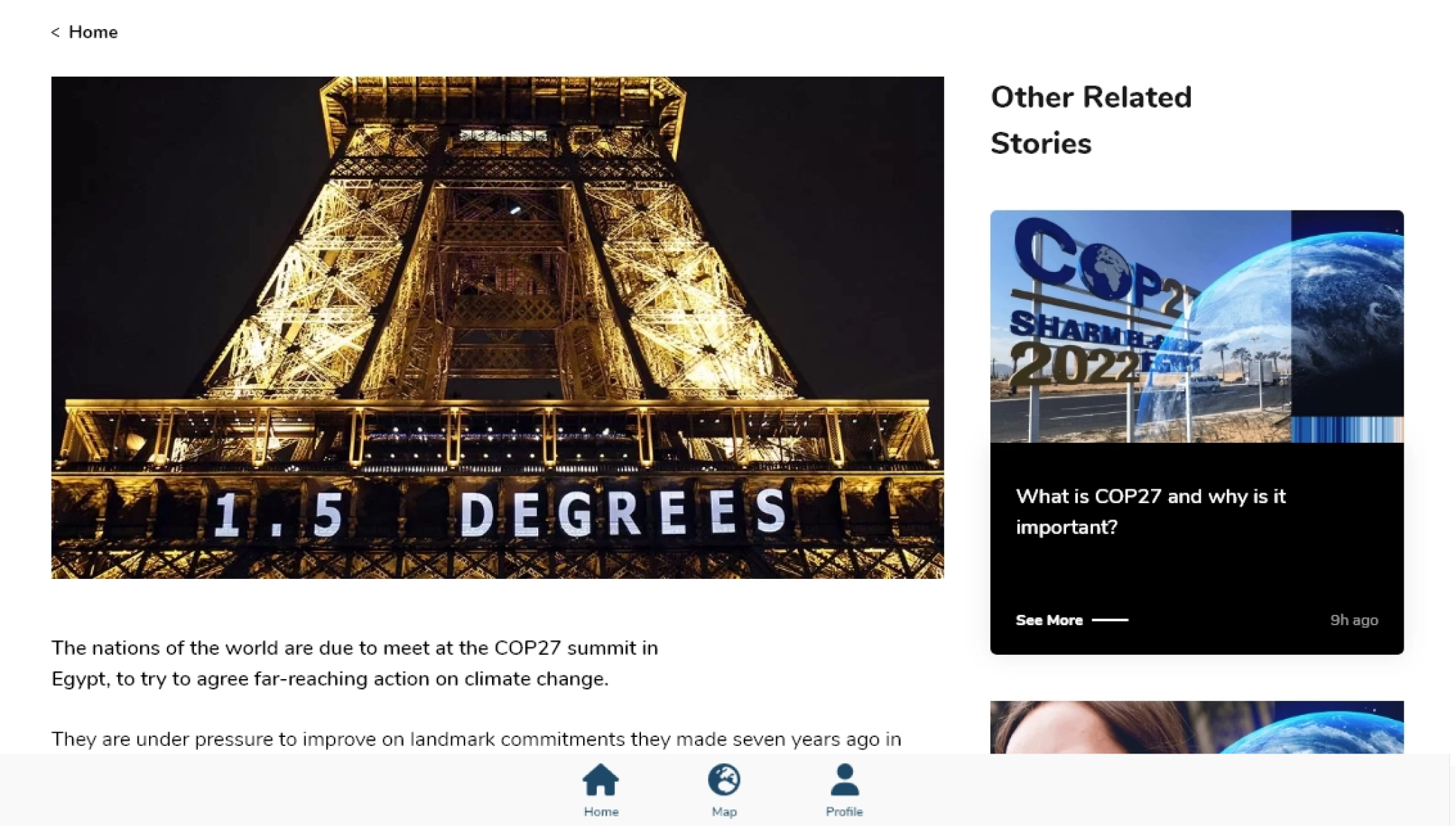
The final product delivered a fully prototyped educational app that made global issues more accessible and engaging for students. By combining interactivity with structured content, the platform supported better understanding and retention while providing teachers with a flexible classroom resource. The project demonstrated how thoughtful UX design can bridge the gap between complex information and meaningful learning experiences.
"This platform was a great way to connect students with what is going on around them. The interactive map and real-world news features made the content feel relevant and engaging and the structured layout helped students understand complex topics more easily."
Paul, KS3 Teacher